What Is The Correspondence Novel
Correspondence Novel
noun
A Correspondence Novel is a literary format built upon the intertwining of traditional narrative chapters and written correspondence, creating a single continuous story through a repeating literary rhythm. Each correspondence grows naturally from the narrative, becomes its own chapter, and in turn shapes the narrative that follows. Together, these alternating yet interconnected forms create an immersive reading experience unlike that of a traditional novel, allowing the story to unfold one chapter, one letter, and one correspondence at a time.
In a Correspondence Novel, the correspondence is not separate from the narrative—it grows naturally from it. Reading a letter, reflecting upon it, writing a response, and living with its consequences become part of the rhythm of the story itself.
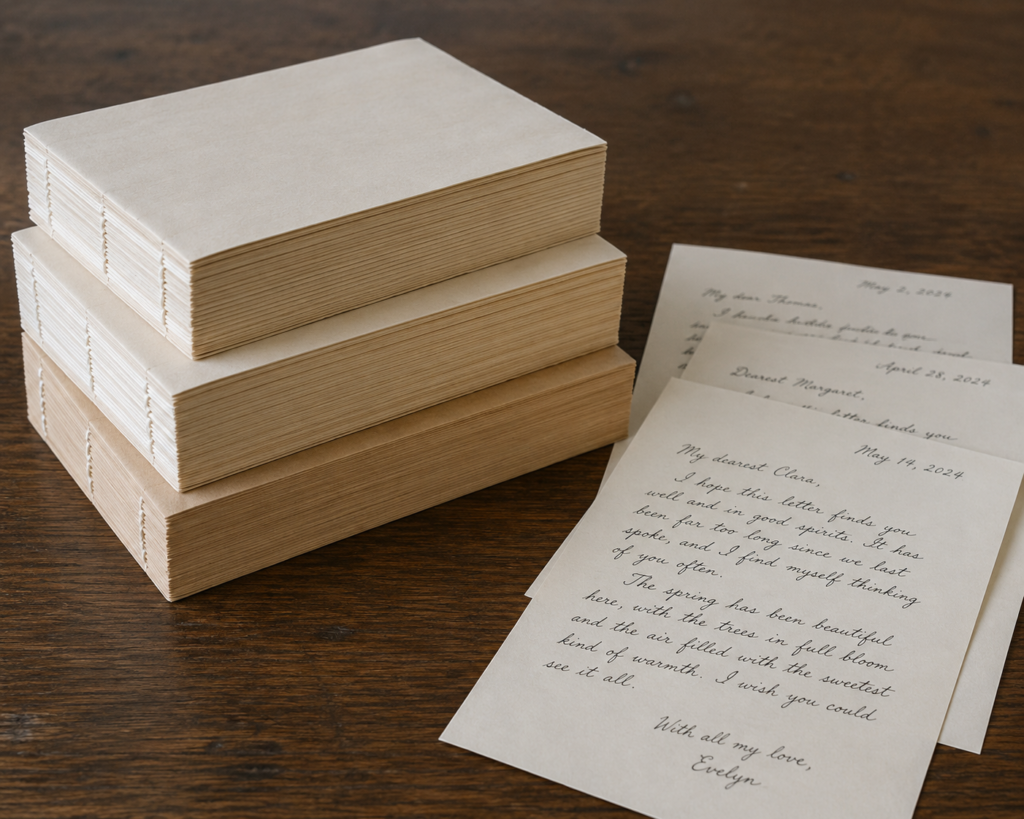
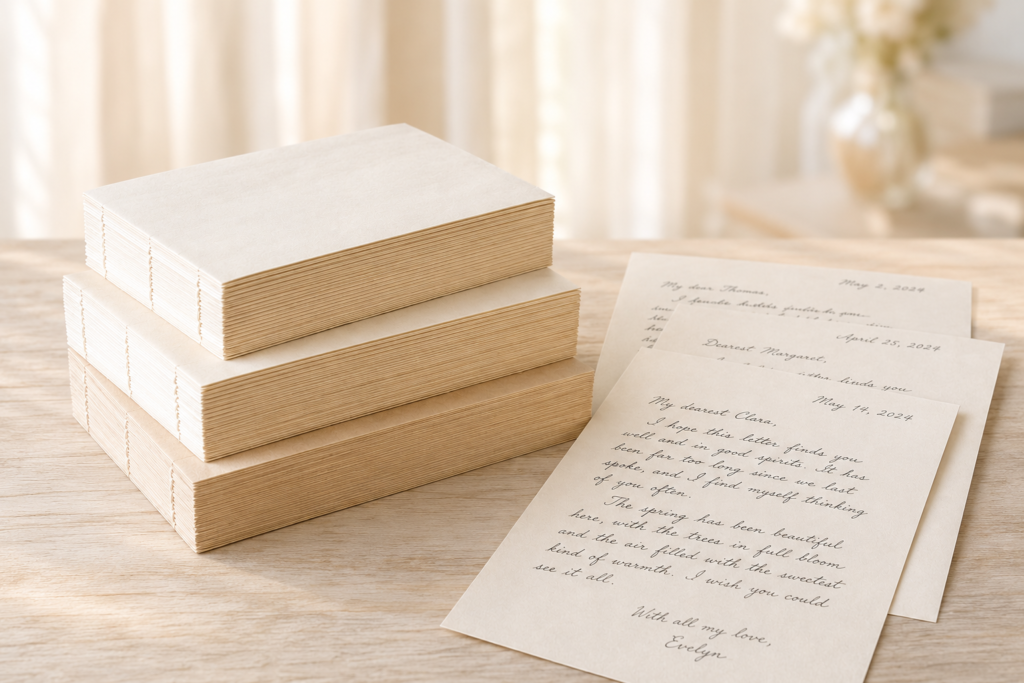
The intertwining of chapters and letters to make a new block format.
The chapters and correspondence are not separate elements but integral parts of one narrative. Chapters naturally give rise to correspondence, and the correspondence, in turn, reveals character, deepens relationships, advances the story, and influences the chapters that follow. Together they create a seamless reading experience in which each form depends upon and enriches the other.
The rhythm, placement, and proportion of chapters and correspondence are determined by the needs of the story, allowing each Correspondence Novel to develop its own natural flow while remaining true to its defining principle of intentional intertwining. While each novel may establish its own cadence, the correspondence always arises naturally from the narrative and, in turn, shapes the narrative that follows.
What Is a Correspondence Novel? A Correspondence Novel is a literary format that tells one continuous story through the intentional intertwining of traditional narrative chapters and handwritten correspondence. Unlike a traditional novel, where every chapter appears in the same printed format, a Correspondence Novel allows the correspondence itself to become an integral chapter of the story. As the narrative unfolds, readers journey alongside the characters through their conversations, relationships, discoveries, and everyday moments until one of them sits down to write a letter. The story pauses just before revealing its contents. Readers witness the letter being written, folded, sealed, and mailed—but they do not yet know what it says. Instead of printing the letter within the narrative, the handwritten correspondence becomes the next chapter of the novel. The reader opens and reads the letter exactly as the receiving character will experience it, preserving the authenticity, intimacy, and anticipation of genuine correspondence. After the letter has been read, the narrative resumes. The story reveals the letter's arrival, the recipient's response, and the events that unfold because of its words until another letter is written, beginning the rhythm once again. Throughout the novel, narrative chapters naturally give rise to handwritten correspondence, and each letter, in turn, shapes the narrative that follows. Neither exists independently of the other. Together they create one seamless literary work in which the story is experienced not only through the printed page, but also through the timeless tradition of heartfelt correspondence.